


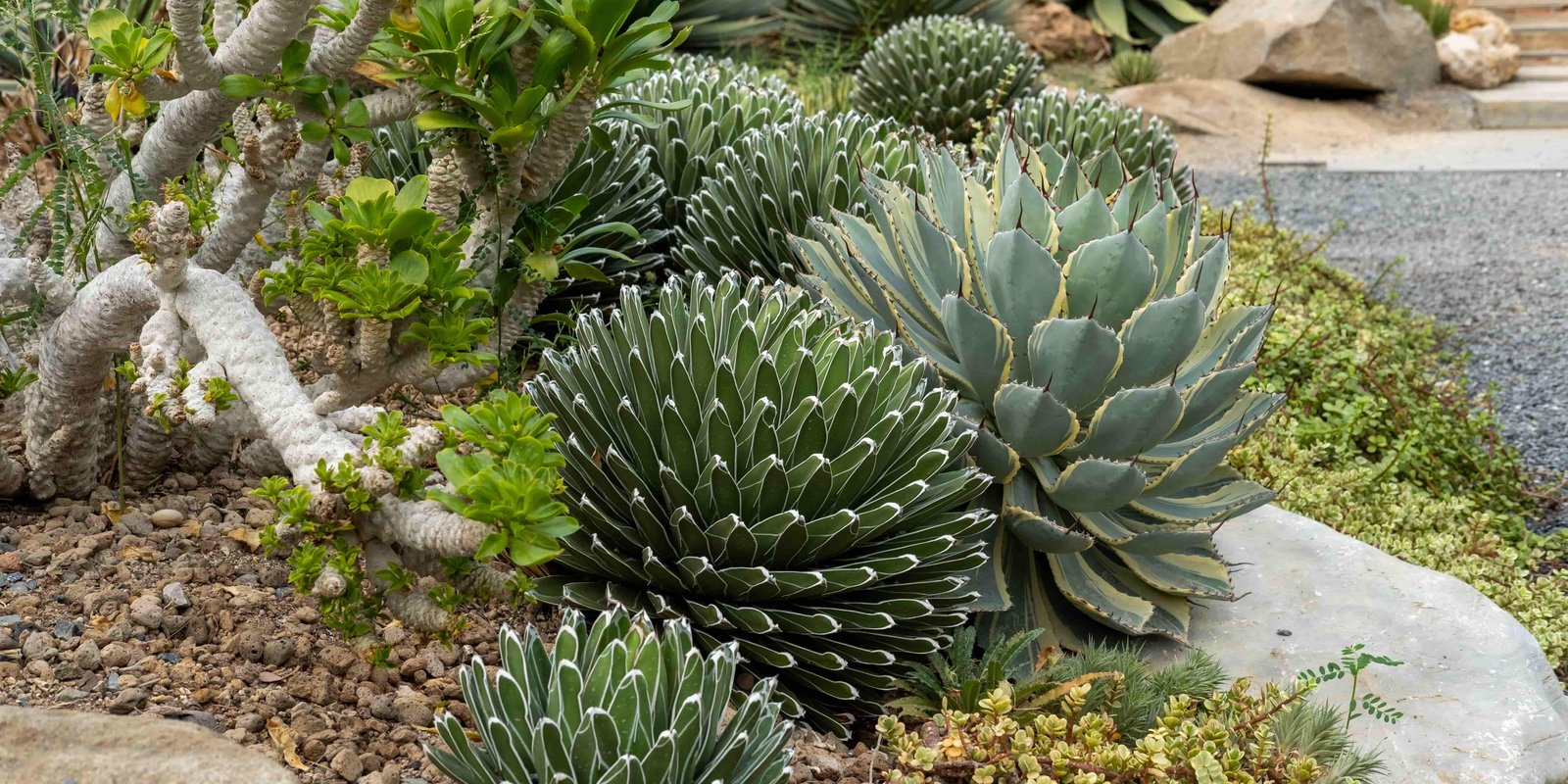

Xeriscaping in Austin: Beautiful Landscapes That Save Water and Money
If you're an Austin homeowner tired of watching your water bill skyrocket every summer or feeling guilty about watering your lawn during drought restrictions, you're not alone. With Central Texas experiencing increasingly hot, dry summers and mandatory water conservation measures becoming more common, many residents are discovering that traditional grass lawns just don't make sense anymore.
The good news? Xeriscaping offers a beautiful, sustainable alternative that can cut your outdoor water use by up to 75% while creating a stunning landscape that actually thrives in Austin's climate. Let's explore how you can transform your yard into a water-wise oasis that saves money, supports local wildlife, and looks amazing year-round.
What Is Xeriscaping?
Xeriscaping (pronounced "zeer-i-scaping") is a landscaping approach that focuses on water conservation through smart plant selection, efficient irrigation, and thoughtful design. Despite common misconceptions, xeriscaping doesn't mean covering your yard with rocks and cacti. In Austin, xeriscaping creates lush, colorful gardens filled with native and adapted plants that naturally thrive in our Texas Hill Country climate without constant watering.
The term comes from the Greek word "xeros," meaning dry, combined with landscaping. It was developed in Colorado during the 1970s drought and has since become essential for water-conscious regions like Central Texas.
Why Xeriscaping Makes Perfect Sense for Austin
Austin's Unique Climate Challenges
Austin sits in USDA Hardiness Zone 8b, with hot summers regularly exceeding 100°F and occasional winter freezes. Our area receives an average of 34 inches of rain annually, but it's inconsistently distributed—we might get several inches in spring, then face months of summer drought.
Add in our challenging caliche soil (that rock-hard white layer many Austin homeowners know too well), and you've got conditions where traditional St. Augustine and Bermuda grass lawns require constant watering, fertilizing, and maintenance just to stay alive.
Water Restrictions Are Here to Stay
Austin Water implements a year-round, two-day-per-week watering schedule, with additional restrictions during drought periods. Violating these restrictions can result in fines up to $500. Xeriscaping ensures your landscape looks great regardless of watering limitations.
Real Cost Savings
Austin homeowners can spend $100-300+ monthly on water during summer months, with outdoor irrigation accounting for 30-60% of total water use. By switching to xeriscaping, you can reduce outdoor water consumption by 50-75%, translating to hundreds of dollars in annual savings—and potentially qualifying for Austin Water's rebate programs.
Essential Elements of Austin Xeriscaping
1. Native and Adapted Plants
The foundation of any successful xeriscape is choosing plants that naturally thrive in Austin's climate. Here are some stunning options:
Trees:
- Texas Red Oak – Gorgeous fall color, drought-tolerant once established
- Desert Willow – Beautiful trumpet-shaped flowers, minimal water needs
- Texas Mountain Laurel – Fragrant purple blooms, evergreen foliage
- Cedar Elm – Native shade tree perfect for East Austin and Mueller neighborhoods
Shrubs:
- Autumn Sage – Blooms nearly year-round, attracts hummingbirds
- Cenizo (Texas Sage) – Purple flowers after rain, extremely drought-tolerant
- Agarito – Evergreen native with fragrant yellow spring blooms
- Flame Acanthus – Orange tubular flowers loved by pollinators
Perennials and Groundcovers:
- Black-eyed Susan – Bright yellow flowers, tough as nails
- Mexican Feathergrass – Graceful movement, golden fall color
- Turk's Cap – Shade-tolerant, red flowers attract hummingbirds
- Frog Fruit – Native groundcover alternative to grass, supports wildlife
Grasses:
- Lindheimer's Muhly – Gorgeous pink fall plumes
- Gulf Muhly – Similar to Lindheimer's, slightly more compact
- Sideoats Grama – Texas state grass, beautiful seed heads
2. Efficient Irrigation
Even drought-tolerant plants need water during establishment (typically 1-2 years). The key is delivering water efficiently:
Drip Irrigation: Delivers water directly to plant roots with minimal evaporation. Perfect for beds and shrub areas. Drip systems use 20-50% less water than traditional sprinklers.
Smart Controllers: Automatically adjust watering based on weather conditions, preventing irrigation during rain or high winds. Some qualify for Austin Water rebates.
Rainwater Harvesting: Collecting roof runoff in rain barrels or cisterns provides free irrigation water. Austin offers rebates up to $5,000 for rainwater harvesting systems through the Water Conservation Rebate Program.
3. Soil Improvement
Austin's notorious caliche soil presents challenges, but proper amendments make a huge difference:
- Add Compost: Austin offers free Dillo Dirt compost to residents. Mixing 3-4 inches of compost into your beds improves water retention and drainage.
- Mulch Heavily: 3-4 inches of native Texas hardwood mulch reduces evaporation, suppresses weeds, and moderates soil temperature. Never let mulch touch plant stems to prevent rot.
- Consider Raised Beds: In areas with severe caliche, raised beds filled with quality soil can be more practical than fighting impossible ground.
4. Reduce Lawn Areas
Traditional grass lawns are water hogs in Austin. Consider these alternatives:
- Native Wildflower Meadows: Mix of bluebonnets, Indian paintbrush, and other natives creates a stunning spring display with minimal water.
- Buffalo Grass: If you need some lawn, native buffalo grass uses 75% less water than St. Augustine.
- Permeable Hardscaping: Flagstone pathways, decomposed granite patios, and gravel mulch create attractive spaces with zero water needs.
- Outdoor Living Spaces: Expand patios and decks to reduce lawn areas while adding functional outdoor rooms.
Xeriscaping Design Tips for Austin Neighborhoods
For Historic Neighborhoods (Travis Heights, Hyde Park, Clarksville)
Respect the character of historic homes while incorporating water-wise plants. Traditional bed layouts with native Texas plants can maintain a formal look. Consider cottage garden-style xeriscapes with densely planted beds of drought-tolerant perennials.
For Modern Neighborhoods (Mueller, Brentwood, East Austin)
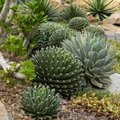
Embrace contemporary design with bold grasses, architectural agaves, and sculptural elements. Clean lines, decomposed granite, and massed plantings create striking modern xeriscapes.
For Hill Country Settings (West Austin, Rollingwood, Westlake)
Work with the natural limestone and existing terrain. Blend seamlessly with the Hill Country landscape using native oaks, junipers, and wildflowers. Minimize lawn to small, functional areas.
Common Xeriscaping Mistakes to Avoid
Over-Planting: Give plants room to reach their mature size. Crowded plants compete for water and look unkempt.
Choosing the Wrong Plants: Not all "drought-tolerant" plants survive Austin's occasional hard freezes. Stick with plants rated for Zone 8b or hardier.
Skipping Establishment Watering: Even native plants need regular water their first year or two. Plan for supplemental irrigation during establishment.
Neglecting Maintenance: Xeriscapes aren't zero-maintenance. Annual pruning, mulch replenishment, and occasional weeding keep them looking their best.
Ignoring Microclimates: The south side of your house in Tarrytown gets much more sun than a shaded north exposure in Bouldin Creek. Match plants to their specific location.
Austin Water Rebates and Incentives
Take advantage of these money-saving programs:
- Irrigation System Rebates: Up to $1,200 for installing smart irrigation controllers or rain/freeze sensors
- Rainwater Harvesting Rebates: Up to $5,000 for residential systems
- WaterWise Landscape Rebates: Rebates for removing turf grass and installing water-efficient landscaping
- Free Consultations: Austin Water offers free landscape irrigation evaluations
Visit www.austintexas.gov/department/water-conservation for current programs and requirements.
When to Call a Professional Landscaper
While some homeowners tackle xeriscaping as a DIY project, professional help ensures success if you're dealing with:
- Large-scale lawn removal and redesign
- Drainage issues common in areas like South Austin and East Riverside
- Irrigation system installation or conversion to drip systems
- Challenging terrain or significant slope
- Rock-hard caliche soil requiring excavation equipment
- Design expertise to create a cohesive, beautiful plan
A professional Austin landscaper familiar with local plants, soil conditions, and water restrictions can save you time, money, and costly plant failures.
Transform Your Austin Landscape Today
Xeriscaping isn't just about saving water—it's about creating a sustainable, beautiful outdoor space that works with Austin's climate instead of fighting against it. You'll enjoy lower water bills, less maintenance time, more wildlife visitors, and a landscape that actually looks better during our hot, dry summers than thirsty grass ever could.
Whether you're in the historic neighborhoods near downtown, the growing communities of South Austin, or the Hill Country suburbs, xeriscaping offers a smart solution for Central Texas living.
Ready to transform your Austin landscape into a water-wise showcase? Contact us today for a free consultation. We serve all of Austin and surrounding areas including Round Rock, Cedar Park, Pflugerville, and West Lake Hills. Let's design a xeriscape that saves you money while creating the beautiful outdoor space you've always wanted.