


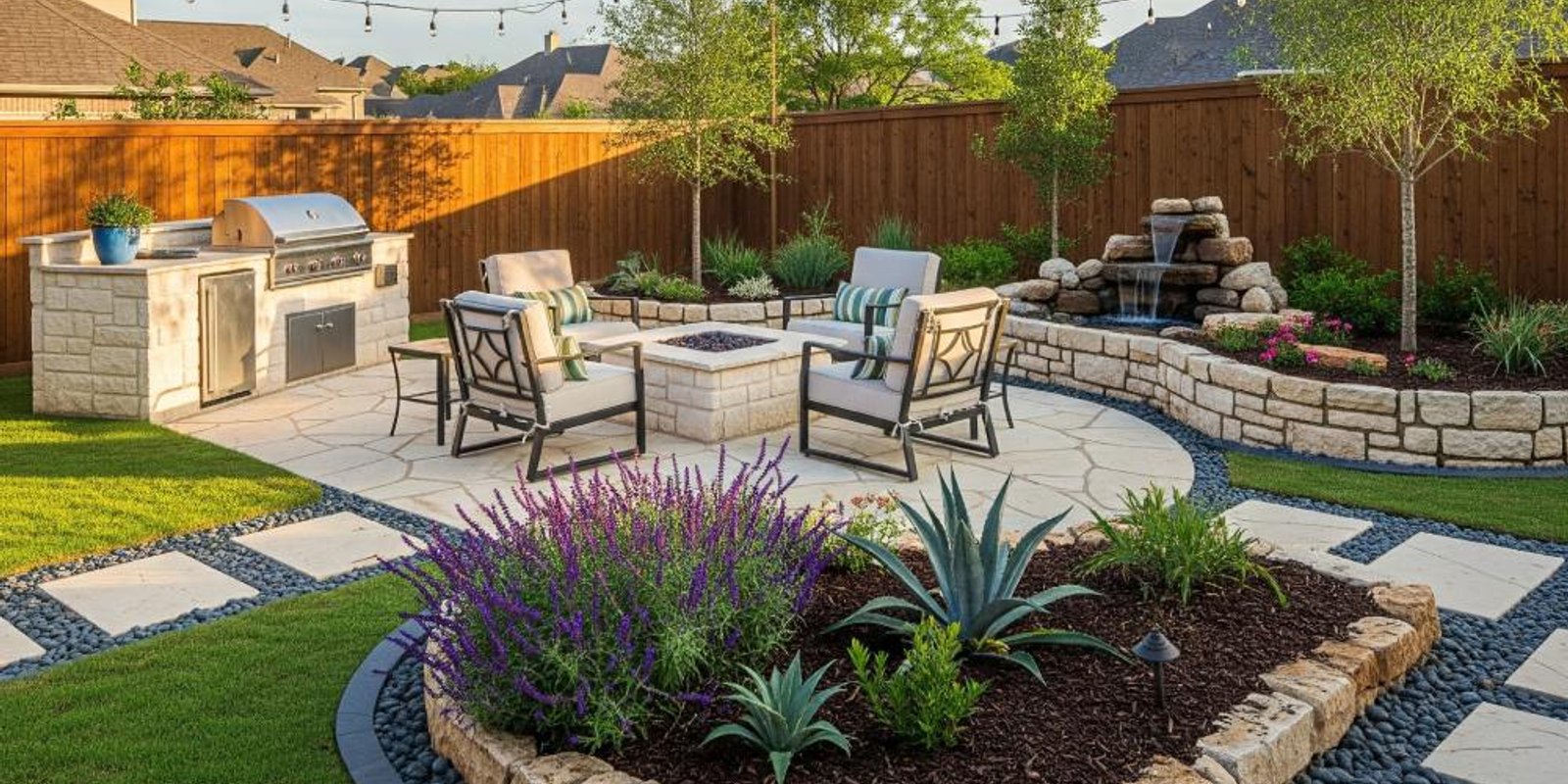

Transforming Austin Backyards with Native Plants and Sustainable Design
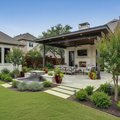
In the bustling heart of Austin, Texas, where the population surges toward a million and the median household income stands at around $91,000 in 2026, homeowners are increasingly drawn to landscapes that marry luxury with environmental responsibility. Our city's humid subtropical climate, characterized by scorching summers with temperatures often soaring into the triple digits and mild winters punctuated by occasional freezes, presents unique challenges like water scarcity and soil erosion. Yet, these very conditions make native plants and sustainable design not just an option, but a smart, resilient choice. At 512 Luxury Landscape Design, established in 2018, we've dedicated ourselves to crafting bespoke outdoor spaces for Austinites, leveraging Texas-native flora to create backyards that are both stunning and eco-friendly. This comprehensive guide delves into how you can transform your own backyard, drawing on local expertise to address common issues such as drought restrictions and urban wildlife intrusions, while enhancing your property's value in neighborhoods like Barton Hills or Mueller.
Why Native Plants Are Ideal for Austin Landscapes
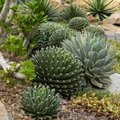
Austin's weather is a mix of extremes: long, dry spells in summer contrasted with heavy rains in spring and fall, averaging about 35 inches annually but often concentrated in May and October floods. Native plants, evolved over centuries to thrive in our rocky, clay-rich soils, offer unparalleled advantages. Species like Texas sage (Leucophyllum frutescens), blackfoot daisy (Melampodium leucanthum), and yaupon holly (Ilex vomitoria) require minimal irrigation once established, aligning perfectly with Austin Water's stage-based restrictions that kick in during droughts. These plants not only conserve water—potentially slashing your bills by 50%—but also resist local pests such as deer, armadillos, and aphids without the need for harsh chemicals.
Moreover, incorporating natives supports Austin's vibrant ecosystem. Our city, known for its commitment to green initiatives like the Austin Energy Green Building program, benefits from pollinator-friendly gardens that attract bees, butterflies, and birds. This biodiversity boost is especially vital amid urban expansion, where natural habitats are shrinking. At 512 Luxury Landscape Design, our process begins with a thorough site analysis during a free consultation, evaluating factors like soil pH (often alkaline in Central Texas) and sun exposure (averaging 75% sunshine in peak months). We then curate plant palettes that enhance aesthetic appeal, such as combining purple coneflowers with switchgrass for a meadow-like effect that increases property values by up to 15-20% according to local real estate data from the Austin Board of Realtors.
Beyond resilience, native plants offer seasonal interest. In spring, bluebonnets and Indian paintbrush carpet the ground in vibrant hues, echoing Texas wildflower trails. Summer brings drought-tolerant blooms from lantana and salvia, while fall showcases the fiery reds of sumac. Even in winter, evergreens like mountain laurel provide structure. This year-round beauty makes them perfect for Austin's outdoor-loving culture, where backyards host everything from casual barbecues to elegant gatherings during events like the Austin Food & Wine Festival.
Key Elements of Sustainable Landscape Design
Sustainable design in Austin extends far beyond planting; it encompasses a holistic approach integrating hardscapes, water management, and energy efficiency. Start with soil health: Our clay soils, prone to compaction and poor drainage, can be amended with organic compost from local sources like the city's free mulch programs. Layering mulch—ideally 2-4 inches deep—retains moisture, suppresses weeds, and regulates soil temperature, crucial during July heatwaves when evaporation rates skyrocket.
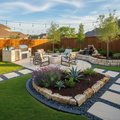
Embrace xeriscaping, a water-wise philosophy that's gaining traction in 2026 amid ongoing climate concerns. This involves replacing thirsty turf with gravel beds, rock gardens, and permeable pavers that allow rainwater to infiltrate, reducing runoff and complying with Austin's stormwater regulations. For visual depth, employ layered planting: Tall elements like inland sea oats for screening, mid-height shrubs such as autumn sage for seasonal color bursts, and low groundcovers like frogfruit (Phyla nodiflora) to blanket bare spots. Integrate eco-features like rain gardens to capture roof runoff, or bioswales to filter pollutants—ideal for hillside properties in West Austin where erosion is a perennial issue.
Don't overlook hardscape integration for sustainability. Use recycled materials for paths and patios, or install solar-powered lighting to illuminate native beds without increasing your carbon footprint. Our designs often include composting areas disguised as elegant features, turning yard waste into nutrient-rich soil amendments. In 2026, with Austin's push for net-zero emissions, these elements not only beautify but also qualify for rebates through programs like the city's Watershed Protection incentives.
Our portfolio highlights transformative projects, such as a Tarrytown residence where we installed a native prairie garden with integrated seating areas, turning a flood-prone yard into a serene retreat. We also incorporate smart tech, like soil moisture sensors linked to irrigation systems, to optimize water use further. For families in areas like Circle C Ranch, we add child-friendly zones with native play areas, using soft-leaf yucca for safe, engaging textures.
Practical Tips for Implementing Native Designs
Implementing these ideas doesn't have to overwhelm. Begin by mapping your yard's zones: Full-sun areas suit sun-loving natives like lantana, while shaded spots under live oaks favor Turk's cap. Group plants by hydrozones—similar water needs—to streamline maintenance. For sourcing, visit local nurseries like Barton Springs Nursery or the Lady Bird Johnson Wildflower Center, which offer authentic Texas stock and expert advice.
Maintenance is key: Prune natives in late winter (February in Austin) to encourage vigorous spring growth, timed perfectly before events like SXSW when your backyard becomes a social hub. Fertilize sparingly with organic options to avoid nutrient runoff into Lady Bird Lake. Combat common challenges like invasive species—such as ligustrum—by vigilant removal and replacing with natives. For deer-prone areas, incorporate repellents like garlic clips or motion-activated sprinklers.
Consider budget: Start small with container gardens using natives like Mexican feather grass, then expand. DIY elements like building raised beds from reclaimed wood can save costs, but for complex designs, professional installation ensures longevity.
Discover more about our tailored approaches in our residential landscaping services page.
Benefits for Austin Homeowners and Long-Term Impact
The perks extend to lifestyle enhancements: Native designs create cooler microclimates, mitigating urban heat islands that make Austin summers feel even hotter. They foster community, aligning with local trends like neighborhood pollinator corridors. Financially, sustainable landscapes appreciate faster in Austin's hot market, where eco-features appeal to millennial buyers (comprising 40% of the demographic).
Health benefits abound—reduced allergens from non-invasive plants, stress relief from natural settings. With over 950 satisfied clients and a flawless satisfaction rate, we've witnessed firsthand how these transformations enrich lives—from family barbecues amid blooming wildflowers to peaceful evenings watching fireflies. In 2026, as Austin pushes toward carbon neutrality goals, adopting native sustainable design isn't just trendy; it's forward-thinking.
Ready to embark on your backyard metamorphosis? Reach out to 512 Luxury Landscape Design via our website for a complimentary consultation. Let's craft a sustainable, luxurious haven that endures Austin's elements.